What Tools Do You Need to Start a Tiling Business? (With Approximate Costs)
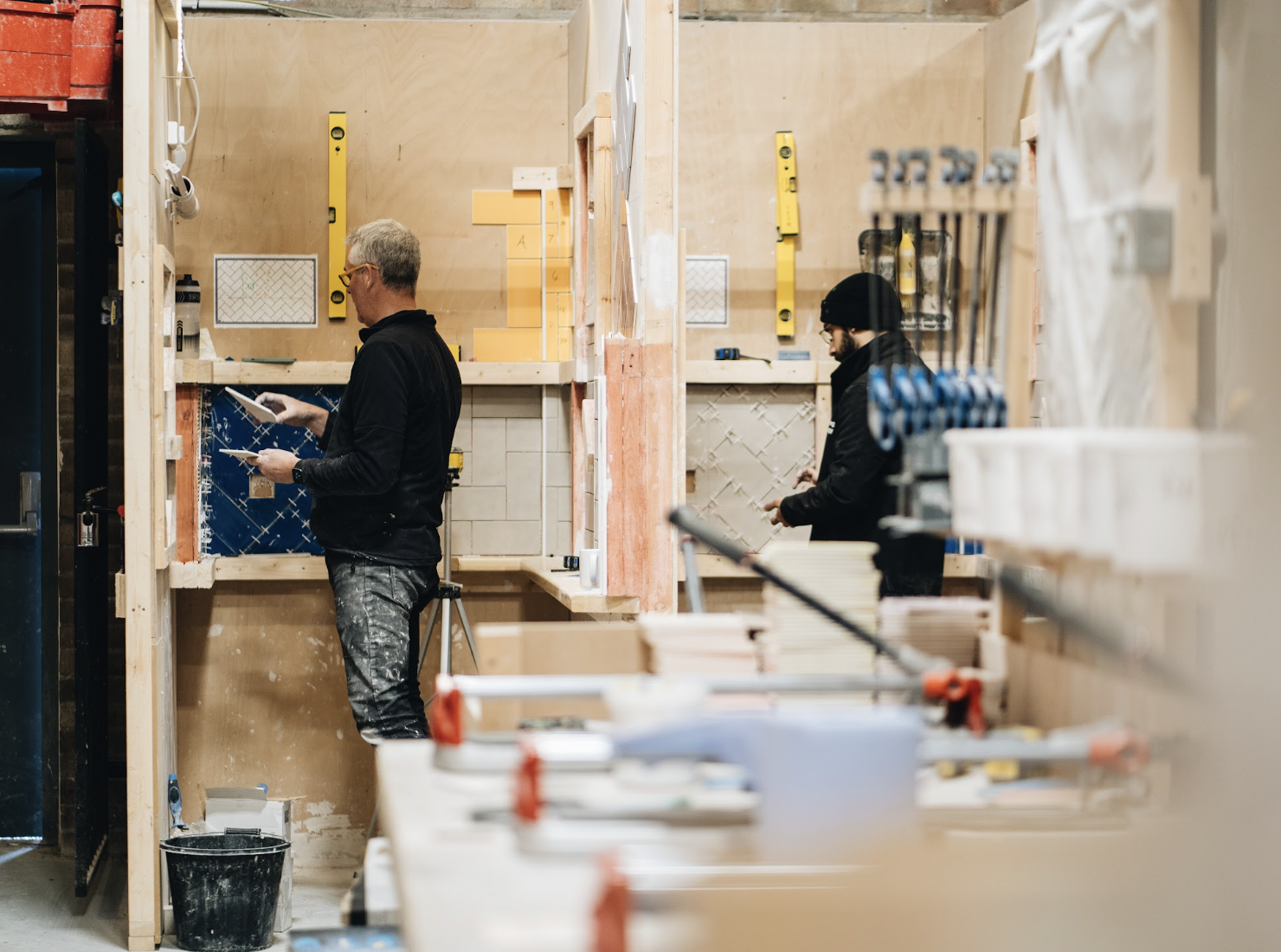
Finishing a tiling course is a big step, but it does raise a practical question fairly quickly: what do you actually need to buy before you can start taking on paying jobs? Whether you've trained with us or elsewhere, putting together the right kit without overspending on things you don't need yet is an important part of getting your business off to a sensible start.
Why Getting This Right Matters
There's a real difference between buying a cheap, poorly made tool and a properly built one, and that difference often shows up exactly when you can least afford it, halfway through a job with a customer waiting. Cheap tools can wear out fast, give inaccurate results, or simply fail at a critical moment, costing you both time and money.
That said, not every tool needs to be the most expensive option on the market. Some items, particularly small hand tools or mixing buckets you might use only occasionally, are perfectly fine bought cheaply. Others, like spirit levels and tile cutters that you'll rely on every single day, are worth spending a bit more on for the sake of durability and accuracy.
Measuring and Marking Out
Every tiling job starts with accurate measurements, so this is one area not to cut corners on.
A good tape measure is essential for working out areas and checking your setting out. A spirit level, ideally a few different length ones, are needed to check walls and floors are true before you start, and to keep your tiling level as you go. A laser level is increasingly common on professional jobs and makes setting out large areas much faster and more accurate, though a good spirit level will get you started if budget is tight. A chalk line and pencil help you mark out your setting lines clearly on the surface.
Expect to spend somewhere between £100 and £400 on this category depending on whether you go for a laser level straight away or stick with a spirit level for now.
Cutting Tiles
This is one of the areas where quality really does make a difference to your day to day work.
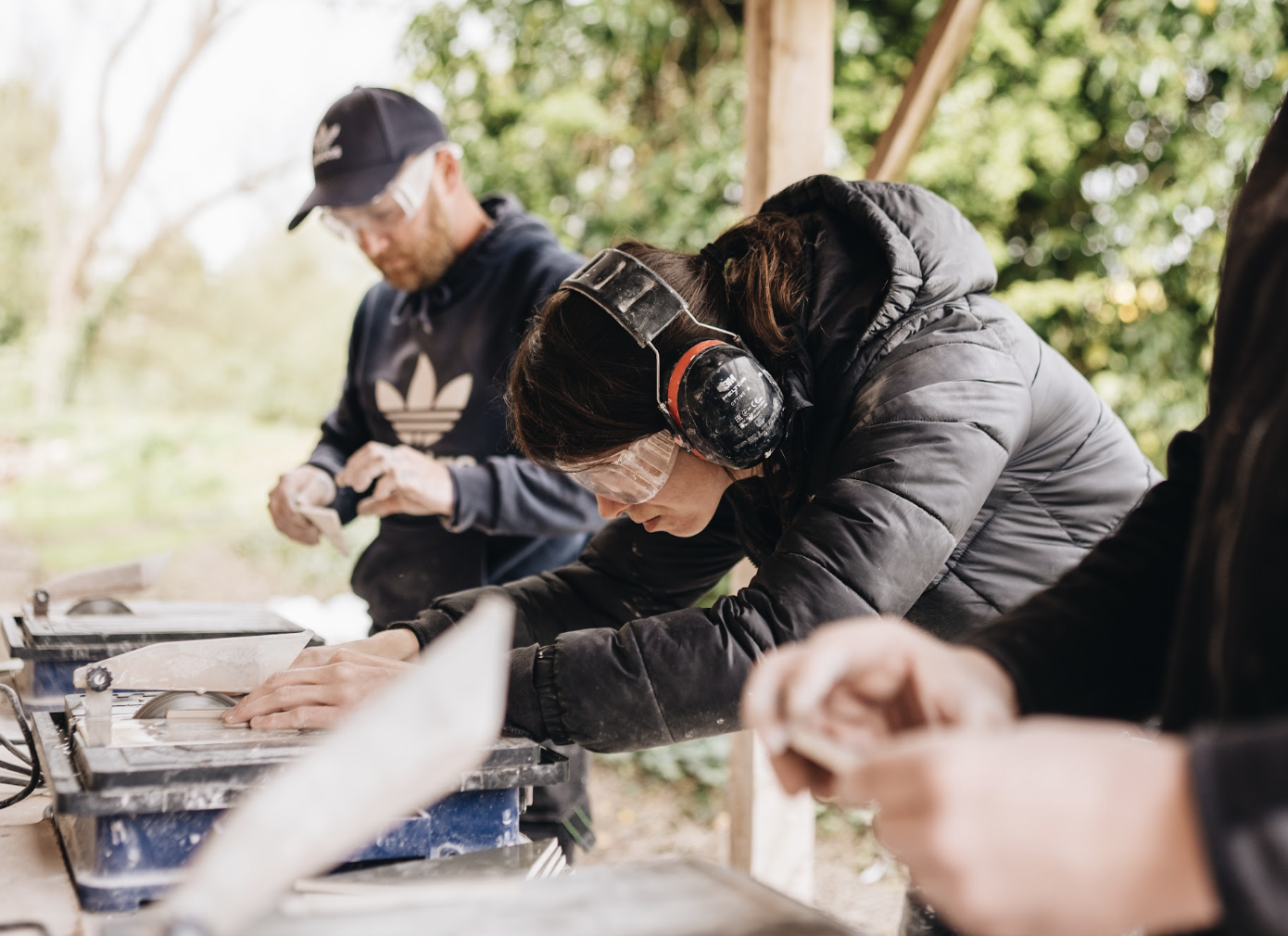
A manual score and snap tile cutter is the standard tool for straight cuts on ceramic and many porcelain tiles, and a decent one will last for years if looked after properly. Tile nippers are useful for smaller, more awkward cuts around pipes, sockets, and fittings. A wet tile saw becomes essential once you start working regularly with porcelain, natural stone, or more intricate cuts, since it gives a cleaner edge and copes with harder materials that a manual cutter will struggle with.
A professional manual cutter alone might cost anywhere from £200 to £700 depending on size and spec, for a good quality option, while a wet saw suitable for regular professional use tends to start from around £300 and can run well into four figures for a higher specification model. Many new tilers start with a manual cutter and add a wet saw once they're earning steadily.
Mixing and Spreading Adhesive
Notched trowels are needed for spreading adhesive evenly, and you'll typically want a couple of different notch sizes to suit different tile formats. A paddle mixer, along with a sturdy bucket, makes light work of mixing adhesive and grout to a consistent, lump free finish.
This category is generally affordable, with trowels costing from around £10 to £30 each and a decent paddle mixing costing upwards of £100 if you need to buy one specifically.
Fixing and Finishing
Tile spacers keep your grout lines consistent, and they're cheap enough to buy in bulk. A rubber mallet is used to gently bed tiles into the adhesive without cracking them. A grout float spreads grout evenly into the joints, and a good quality sponge and bucket are needed to clean excess grout off the surface as you go. Levelling clip systems have become increasingly standard for larger format tiles, helping prevent lippage between tiles, and are well worth having if you plan to work with bigger porcelain formats.
These items are generally inexpensive individually, and a full set of spacers, floats, and finishing tools will typically come in under £100.
Drilling and Specialist Tools
A diamond tipped drill bit is needed for drilling into porcelain or natural stone without cracking it, while tile and glass bits cover most ceramic drilling needs. As you take on jobs involving wet rooms or shower trays, you'll also want to look into tanking systems and the tools needed to apply them correctly, which is covered in more depth on our tiling tools resource page.
Personal Protective Equipment
It's easy to overlook, but a few basics matter from day one. Safety goggles protect your eyes from dust and flying fragments when cutting tiles. A dust mask is important when cutting porcelain or natural stone, both of which produce a lot of fine dust. Knee pads make a genuine difference to your comfort and long-term health when working on floors for hours at a time. Good quality work gloves help when handling sharp tile edges and heavy materials.
None of this needs to be expensive, with a full set of PPE typically costing around £50.
Roughly How Much Should You Budget?
Putting together a sensible starter kit, including a manual tile cutter rather than a wet saw to begin with, generally comes to somewhere between £0 and £700. If you want to start with a wet saw and a laser level included from day one, you could be looking at closer to £1,000 to £1,500. Many tilers build their kit up gradually, starting with the essentials and adding more specialist tools, such as a wet saw or levelling clip system, once the work and income are coming in regularly.
Buy Once, Buy Well, Where It Matters
If budget is tight when you're starting out, focus your spending on the tools you'll use on every single job, your trowels, tile cutter, and spirit level, rather than splashing out on specialist tools you might only need occasionally. Those can be hired or bought later once you know exactly what your typical jobs require.
Getting the Right Tools from Day One
At Expert Tiling Courses UK, all of the tools and materials you need are provided throughout your training, so you won't need to buy anything before you start. Through our relationships with manufacturers, we've selected tools that genuinely hold up to daily professional use, and our students benefit from trade pricing on the same tools they've trained with once they're ready to kit themselves out. You can see more detail on the tools we recommend and why on our tiling tools page.
Learning to use the right tools properly is just as important as owning them, and that's exactly what we focus on across our tiling courses. By the time you finish training with us, you'll know precisely what you need, why you need it, and how to use it to a professional standard.
Ready to start your tiling career? Get in touch with us to find the right course for you.
Find the perfect course for you
Whether you're just getting started, or have a few years in the construction industry under your belt and are looking to up-skill yourself, we have a course for everyone.